
The endgame ladder in Diablo 4
Diablo 4 does not end when the campaign does. After the story, the real structure appears: a ladder of activities and difficulty tiers that gradually asks more of your build, your gear and your attention. Understanding the rungs makes it far easier to decide where to spend your time, and where to be careful about shortcuts.
This guide explains the ladder in order, from Nightmare dungeons through Torment tiers to the Pit, and then gives a risk-aware view of third-party help. Exact numbers shift from patch to patch, so the focus here is on how the pieces connect.
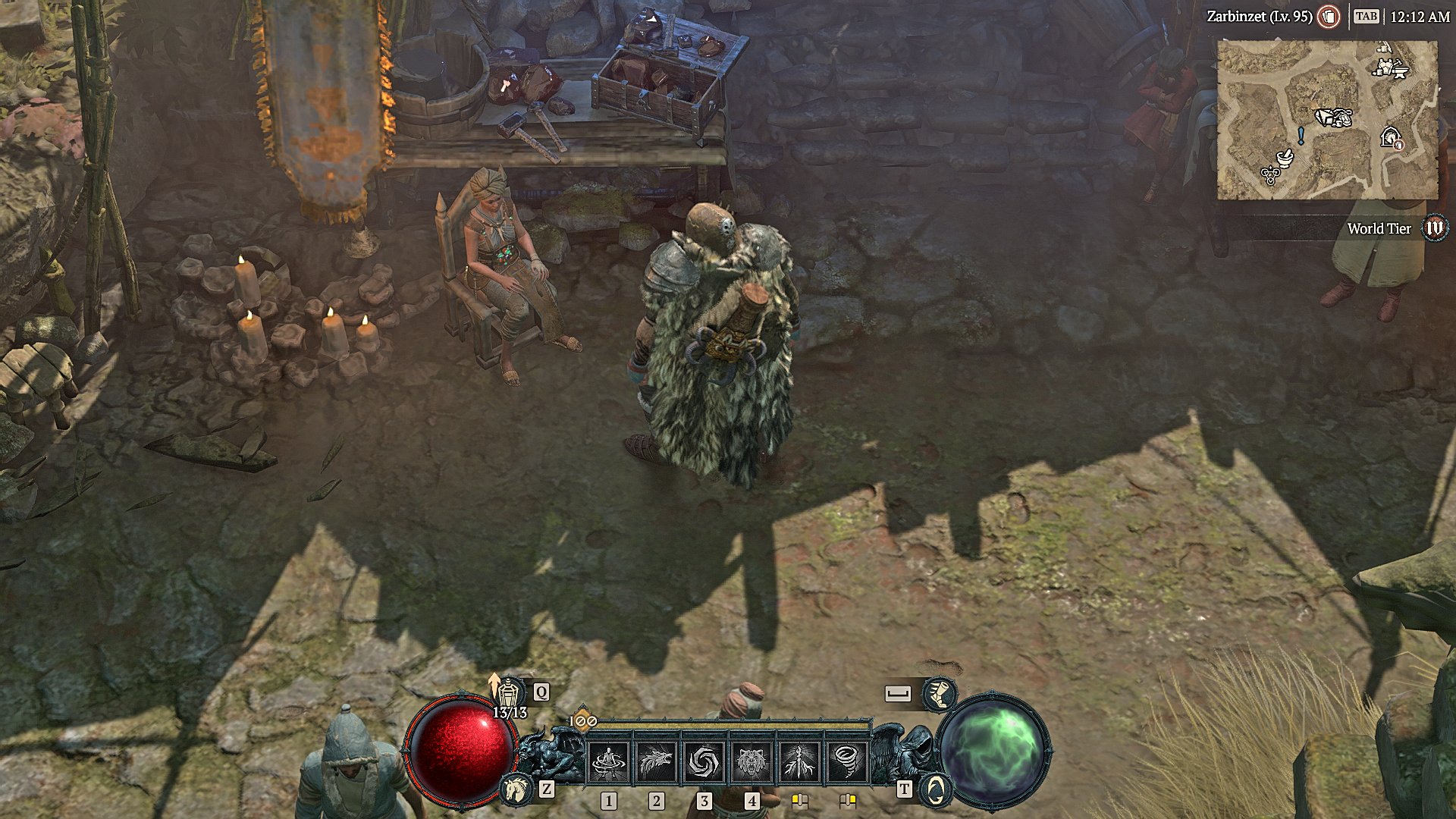
Nightmare dungeons: the first real rung
Nightmare dungeons are instanced dungeons you enter with a sigil. Each sigil carries a tier and affixes that alter the run, such as extra enemy types or environmental hazards, in exchange for better rewards. Clearing them yields experience, gear, Obducite and aspects, and completing them raises your sigil tier so the next one is harder.
They are the best teacher in the game. You learn to read affixes, to avoid damage-over-time puddles, to handle elite packs and to manage cooldowns. A character that struggles here will struggle everywhere above, so do not rush past this stage.
World Tiers and Torment difficulty
The world tier system sets the baseline difficulty of Sanctuary. The earlier tiers are about leveling. The top tiers, called Torment, raise monster levels sharply and improve drop quality, with the highest Torment levels producing the best loot in exchange for much harsher fights.
Moving up is not just about damage. Torment enemies hit hard enough that defence, resistances, armor, life and damage reduction decide whether you survive. Many players stall because they stack offence and ignore layered defences. If you die in a couple of hits, step back a tier, fix your resistances and try again.
The Pit: a measuring stick for your build
The Pit is a timed, scaling dungeon activity entered through a key. You push through floors while the difficulty tier rises, aiming to defeat the boss before time runs out. Because it scales indefinitely, it works as a benchmark: how high you can clear tells you how strong your build really is.
It also feeds the endgame economy. Higher tiers reward better materials and glyph progression, which in turn strengthens your Paragon board. For many players the Pit becomes the main push once Nightmare dungeons stop feeling threatening.
Treat each run as data. Note where you lose time, where you take damage and which affixes cause trouble, then adjust your build or gear accordingly.
Helltides, bosses and the supporting cast
Between the major rungs sit the supporting activities. Helltides spawn in specific zones and reward you for killing enemies and opening chests with Aberrant Cinders, with the roaming elites and bosses adding risk. They are a great place to farm gear and materials while earning experience.
Boss ladders and summoning fights give targeted rewards, including unique items and upgrade materials. Bosses such as Lilith sit at the top of the difficulty curve and demand mastery of movement and timing. Seasonal activities add their own loops and rewards on top of all this, which is why each season feels slightly different even when the core ladder stays the same.
Where diablo 4 boosting enters the conversation
With so many rungs, it is no surprise that some players look at diablo 4 boosting as a way to climb faster. The typical idea is that a helper completes high-tier content, farms materials or moves a character up the ladder, so you reach the harder activities with less time spent on the lower rungs.
The appeal is clear for players with limited hours. The drawback is that the ladder is also the tutorial. If you arrive at a high tier without having learned the earlier mechanics, you may find that the content kills you immediately, which is frustrating and costly. Think about whether you want the result or the experience, and be honest about which one you are paying for.
A risk-aware view of third-party help
Third-party services carry account risk. Blizzard’s terms of service apply to all players, and the company may act on accounts that violate them, including through sharing credentials. A penalty could affect not only the seasonal character but the whole account and its purchases.
### Reducing the exposure
Use two-factor authentication, a unique password and a secondary account for anything experimental. Read the provider’s policies, avoid anything that promises guaranteed safety, and keep records of your communication. Be wary of any offer that asks for more information than it needs.
### Alternatives that cost nothing
Join a clan or community group. Experienced players often run Nightmare dungeons with newcomers, explain affixes and share build advice. That route is slower than paying for help but carries no extra risk, and the friendships often last longer than a single season.
Common mistakes that slow every climb
The first mistake is ignoring defence. Players chase damage numbers because they are satisfying, then wonder why a single elite pack ends the run. Check your armor, resistances and life, and keep a reliable escape skill on the bar. The second mistake is hoarding. Inventory full of maybe-upgrades costs minutes every session, and those minutes add up over a season.
The third mistake is skipping the Paragon board. Glyphs and rare nodes provide large, permanent boosts, and leaving points unspent or scattered is wasted power. Plan your path toward the glyph sockets first, then fill in the rest.
The fifth is ignoring seasonal changes. Each season adds a mechanic, rewards and sometimes balance shifts that alter what counts as efficient, so reread the season notes in game before you commit hours to a plan that no longer works. A few minutes of reading can save an entire evening of misplaced effort and frustration.
The fourth is copying a build blindly. A guide is a starting point, and you should understand why each aspect is there so you can adapt when a patch changes a number or a drop does not arrive. Treat every failed run as information rather than bad luck, and your progress will speed up without any shortcut at all.
Building your own climb
A sensible climb follows the ladder. Finish the campaign and unlock Nightmare. Run dungeons until your sigil tiers feel comfortable. Step into the first Torment tier only when your resistances and defence are in order. Use the Pit as your benchmark, and review your build after every few failures instead of simply repeating them.
The ladder rewards patience, and the game gives you plenty of ways to learn it without spending anything extra. If time is short, weigh the trade-offs of outside help carefully, protect your account, and remember that Sanctuary is best when the climb is a choice rather than a chore.

Leave a Reply