
Understanding aggro range mechanics is crucial for successfully navigating the challenging dungeons in Classic World of Warcraft. Players must master the art of pulling groups safely to avoid overwhelming encounters and ensure the survival of their party. This guide delves into the intricacies of aggro mechanics, offering practical strategies, detailed analyses, and actionable tips to enhance your dungeon experience.
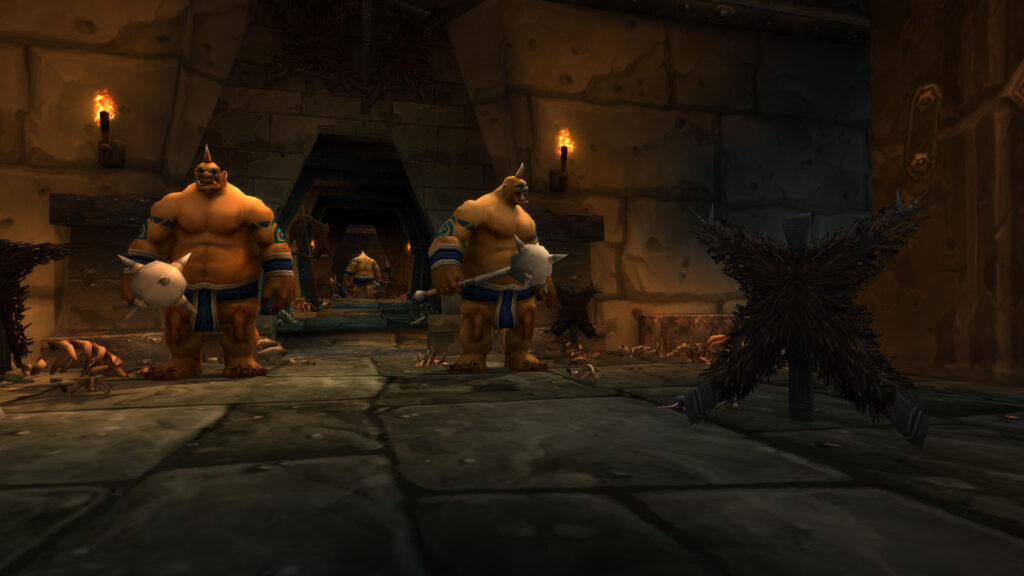
What are Aggro Range Mechanics in Classic WoW Dungeons?
Aggro range mechanics dictate how enemies detect and engage players in Classic WoW, influencing group pulling strategies significantly.
Aggro, or threat, is generated when players interact with NPCs, and understanding its mechanics is essential for effective group pulls. Each enemy has a specific aggro range, typically around 30 yards, within which they will detect players. If a player enters this range, the NPC will become hostile, potentially leading to a chaotic encounter. High-level players must be aware of their surroundings and the positioning of their party to avoid accidental pulls, especially in densely populated areas. Additionally, certain abilities and spells can generate more threat, complicating the dynamics of aggro management.
- Know the aggro range of each enemy type to plan your pulls effectively.
- Utilize crowd control abilities to manage multiple enemies and prevent unwanted engagements.
- Communicate with your party to ensure everyone understands the pulling strategy.
- Monitor your threat levels and adjust your actions accordingly to maintain control.
How Do Aggro Mechanics Work in Classic WoW Dungeons?
Aggro mechanics in Classic WoW are based on threat generation, which is influenced by player actions and enemy behavior.
Each player generates threat through damage dealt, healing done, and specific abilities that increase threat levels. The basic formula for threat generation is straightforward: damage dealt multiplied by a threat coefficient, which varies by ability. For instance, a rogue’s backstab generates more threat than a basic attack due to its higher threat coefficient. Additionally, healing spells also generate threat, which can lead to unexpected aggro if healers are not cautious. Understanding these mechanics allows players to strategize their pulls, ensuring that the tank maintains aggro while DPS and healers remain safe.
To effectively manage aggro, players should utilize abilities that minimize threat, such as feign death for hunters or vanish for rogues. Positioning is also crucial; tanks should lead the charge, ensuring they enter aggro range first. Players can also use line of sight to their advantage, pulling enemies around corners to control engagements better. By coordinating pulls and managing threat levels, players can navigate dungeons more efficiently and avoid overwhelming encounters.
What Are the Best Practices for Pulling Groups Safely?
Best practices for pulling groups safely in Classic WoW dungeons include careful planning, communication, and effective use of abilities.
Before engaging a group of enemies, assess the situation and communicate with your party about the intended strategy. Determine which enemies to pull and the order of engagement. Use crowd control abilities, such as polymorph or sap, to manage additional threats and reduce the number of active enemies. When pulling, consider using ranged abilities to initiate combat from a safe distance, allowing the tank to establish aggro before others engage. Additionally, ensure that the tank is positioned correctly to absorb damage and control the fight.
What Are the Key Factors in Aggro Management?
The following table summarizes the essential factors that influence aggro management in Classic WoW dungeons. Understanding these elements can significantly enhance your group’s performance and safety during pulls.
| Factor | Description | Impact on Pulling | Tips |
|---|---|---|---|
| Threat Generation | Amount of threat produced by actions | Determines who the enemy targets | Use low-threat abilities initially |
| Positioning | Location of players relative to enemies | Affects aggro range and engagement | Maintain distance until ready to engage |
| Communication | Coordination among party members | Ensures effective strategy execution | Discuss pulls and roles before engaging |
How Do Environmental Factors Affect Pulling Groups?
Environmental factors, such as terrain and NPC placement, significantly impact how players pull groups in Classic WoW dungeons.
Understanding the layout of a dungeon is crucial for successful pulls. Terrain can create natural barriers, allowing players to control enemy movement and line of sight. For example, pulling enemies around corners can prevent additional NPCs from joining the fight. Additionally, environmental hazards, such as traps or patrolling mobs, can complicate pulls if players are not aware of their surroundings. Players should familiarize themselves with dungeon maps and enemy patrol routes to plan their pulls effectively.
What Are the Metrics for Optimizing Aggro Management?
Key metrics for optimizing aggro management include threat levels, pull timing, and enemy engagement duration.
What Are Expert Recommendations for Mastering Aggro Mechanics?
Expert recommendations for mastering aggro mechanics include practice, situational awareness, and continuous learning from encounters.
To become proficient in aggro management, players should practice pulling in various dungeon scenarios. Engaging in different encounters allows players to learn the nuances of aggro mechanics and develop their strategies. Additionally, maintaining situational awareness during pulls is critical; players should always be aware of their surroundings and potential threats. Continuous learning from each encounter, including analyzing what went well and what could be improved, will enhance overall performance in dungeons.
Frequently Asked Questions
What is the typical aggro range for enemies in Classic WoW?
The typical aggro range for most enemies in Classic WoW is around 30 yards. However, this can vary based on specific NPC behaviors and abilities. Understanding these ranges is crucial for effective pulling strategies.
How can I reduce my threat during a dungeon pull?
To reduce your threat during a dungeon pull, use abilities that generate less threat, such as low-damage attacks or crowd control spells. Additionally, positioning yourself behind the tank can help minimize the risk of pulling aggro.
What should I do if I accidentally pull too many enemies?
If you accidentally pull too many enemies, communicate with your party immediately. Use crowd control abilities to manage the situation and focus on keeping the tank alive while they establish aggro on the additional enemies.
How can I practice pulling groups safely?
To practice pulling groups safely, start with lower-level dungeons where the stakes are lower. Focus on mastering your positioning, threat management, and communication with your party to develop your skills before tackling harder content.

Leave a Reply