
A raid tier is not just a collection of boss encounters; it is an emotional journey that every guild undergoes. This lifecycle follows a predictable arc that defines the social and psychological health of the player base. From the initial thrill of the unknown to the clinical precision of speed-farming and the eventual exhaustion of a stagnant meta, this guide breaks down the emotional stages that transform a new raid into a test of human endurance.
The Thrill of the Unknown
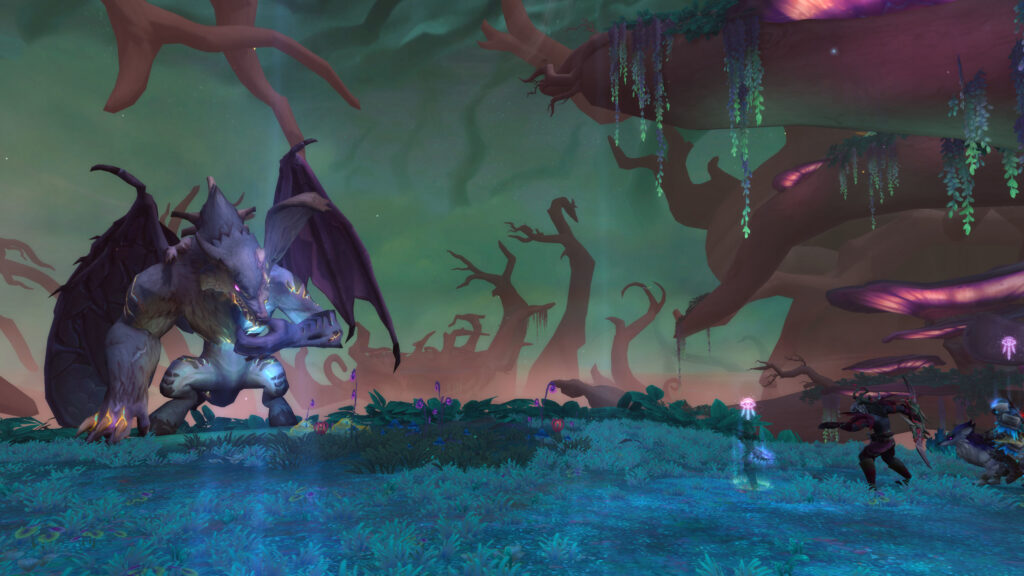
The arc begins with the “Excitement Phase.” During the first few weeks of a raid tier, the atmosphere is defined by discovery. Players are learning mechanics, failing in spectacular ways, and enjoying the cinematic payoff of new encounters. This phase is characterized by high social cohesion; everyone is in the same boat, and individual mistakes are forgiven because the entire group is still learning. The mystery of the boss’s abilities makes the challenge feel fresh, and the shared “aha!” moments when a group finally discovers a strategy are some of the most rewarding social experiences in the game.
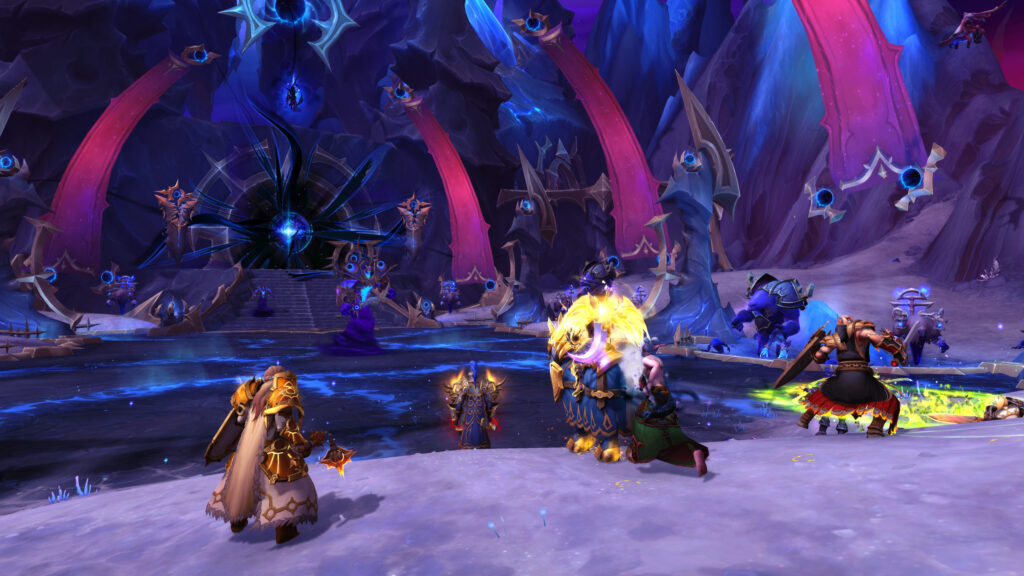
As the weeks pass, this moves into “Mastery.” The guild has the strategy on lockdown. Bosses that once required fifty pulls now die in one or two. This is the peak of the guild’s mechanical performance. Players feel powerful, geared, and efficient. However, this mastery is the beginning of the end for the tier’s excitement. Once a group has “solved” the content, the mechanical joy begins to evaporate. The boss becomes a chore rather than a challenge. This leads to the final stage: “Burnout.” The repetition of the same encounters starts to grate on the nerves, and the social bonds that were forged during the progression phase are tested by the monotony of farm content.
Stages of the Raid Lifecycle
| Phase | Player Mindset | Social Status |
|---|---|---|
| Excitement | Curious, adaptive, forgiving. | High group cohesion and bonding. |
| Mastery | Confident, precise, efficient. | High performance, low emotional stakes. |
| Burnout | Bored, impatient, cynical. | Potential for internal guild friction. |
Managing the Arc
The most successful guilds recognize these stages and adjust accordingly. They lean into the fun of the discovery phase, enjoy the peak of mastery, and then proactively schedule breaks or shift to “alt runs” during the burnout phase to keep the culture healthy. Recognizing that this arc is inevitable allows the leadership to focus on the human experience rather than just the boss kill, ensuring the guild survives long enough to reach the excitement of the *next* tier.

Leave a Reply